Friday, October 23, 2009
apod 1.8
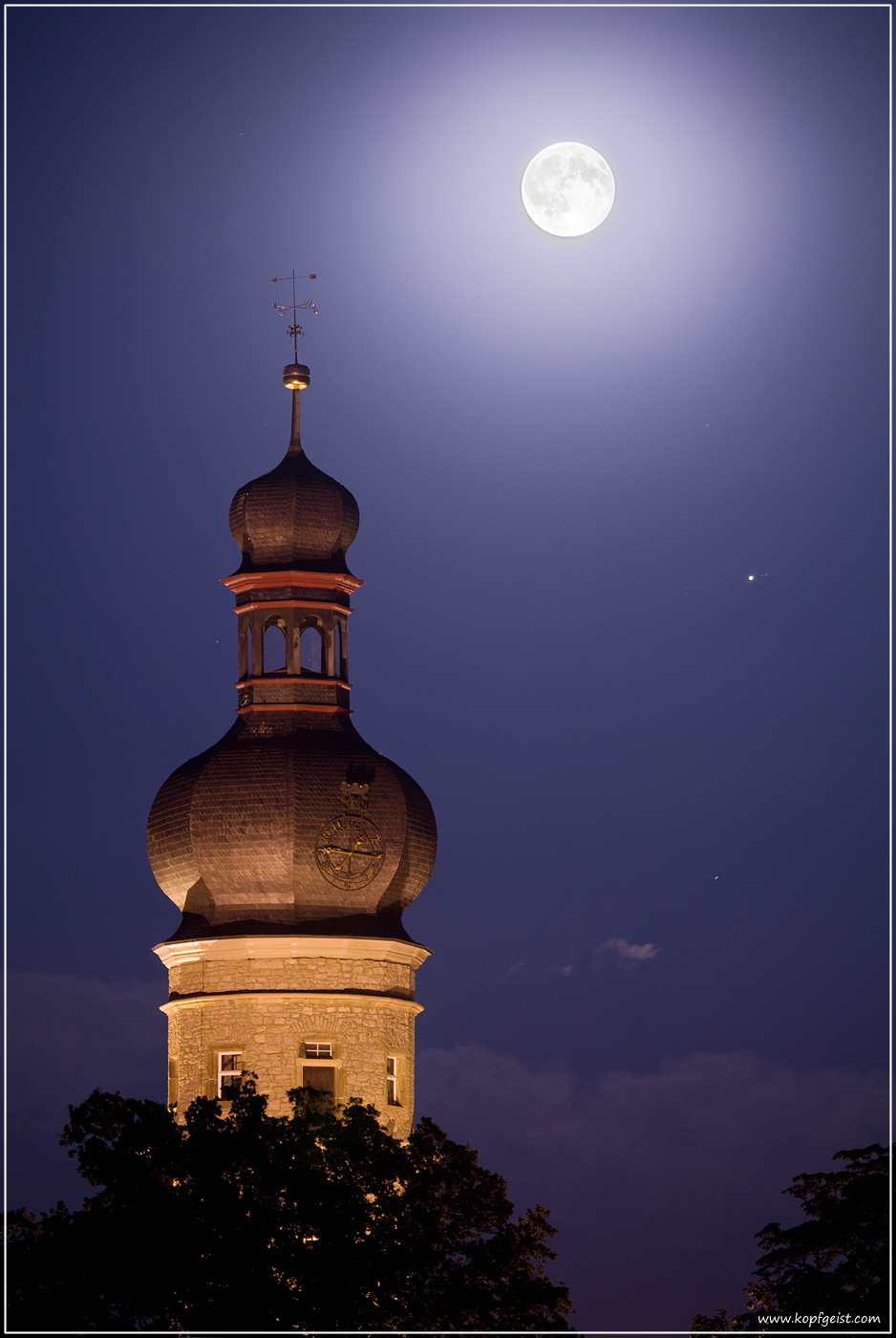
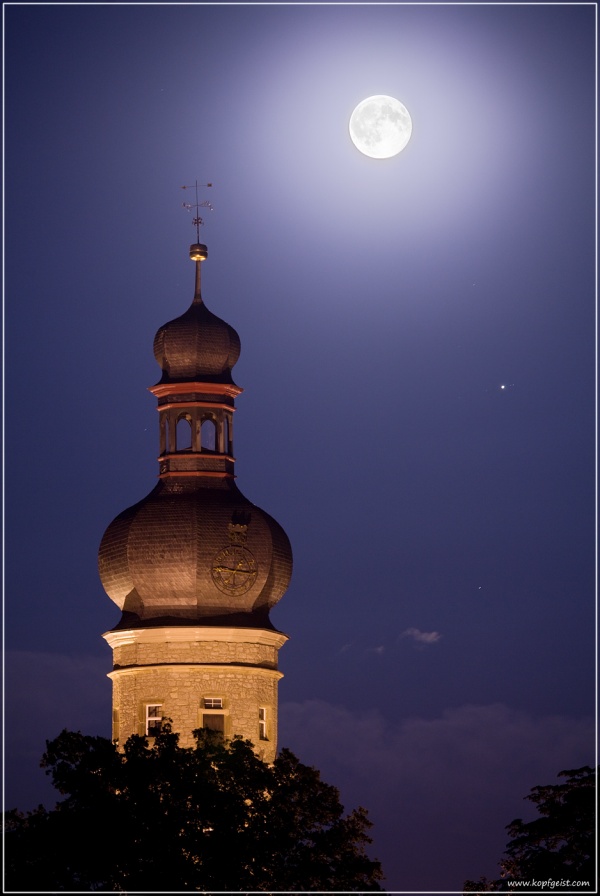
This apod blog post is a beautiful photo of the moon and the planet Jupiter upon the evening sky. The photo was taken in a small town of Weikersheim in southern Germany. Germany is experiencing the summer season right now. The photo was taken by photographer Jens Hackmann. The moon is a conjunction of a full moon. The title of the photo is recognizing Galileo and his achivments, about 400 years ago the astronomy would not be able to resist observing the moon on a night like this. The large moons of Jupiter now are known as the Galilean Moons after Galileo and his observations made on Jupiter and the moons. You can see tiny pinpoints of lights near Jupiter in this photo. Just a little reminder how amazing astronomy is and how it is represented in this photo.

Wednesday, October 21, 2009
MOON OBSERVATIONS
I spent a total of over ten hours observing the moon since Aug. 24th. I also went to the class observation on October 18th. that was a lot of fun and I have all my observations for the past 2 months listed below.
MOON OBSERVATIONS
August 24th 9:45 P.M.
Location: Northwest
Description: The moon was a waxing crescent. Very low in the sky. The moon was bright, and shone beautifully in the sky.
Weather: Not a cloud in the sky to disrupt visual of the moon. Stars and moon were exceptionally viable tonight.
Aug. 25th 11:08 P.M.
Location: Not exactly sure. My prediction is still northwest in the sky, but moves a little East the sky.
Description: The moon was not visible tonight when I investigated due to the weather conditions.
Weather: The clouds seemed to cover the entire sky. Most of the stars that were visible before are no longer visible. It was raining when I went outside, and very cloudy.
Aug. 26th 11:58 P.M.
Location: unknown
Description: The clouds blocked the moon, so it was not visible.
Weather: cloudy sand very humid. Not good sky gazing qualities.
Aug. 27th 8:00 P.M.
Location: North East, more towards the center of the sky
Description: Big beautiful 1st quarter moon
Weather: The sky was dark enough to gaze upon a couple stars. A few clouds obstructed the sky view… but the first quarter moon was still easy to see. Humid, and a few drops of rain could be felt while I was outside.
Aug. 28th 12:00 A.M.
Location: North East, more towards the East. Slowly notice the moon moving to the Eastern part of the sky.
Description: the waxing gibbous was more filled then the night before.
Weather: Sky had decent viewing conditions tonight. Better and even easier then yesterday.
Aug. 31st
Location: Eastern part of the sky
Description: The moon is still a waxing Gibbous moon and was very bright, even with the sun still out overall within partial light.
Weather: Clear Sky’s, good moon gazing qualities.
Sept 1st 11:59 P.M.
Location: Southern part of the sky
Description: The moon is still a waxing Gibbous, its much brighter then yesterday’s moon
Weather: Decent moon viewing qualities
Sept. 2nd 10:00 P.M.
Location: the moon is still in the southern part of the sky, but is very high up in the sky.
Description: It is a full moon and very beautiful. Big and Round. Almost appears as if every feature of the moon can be seen tonight.
Weather: The sky was quite clear, and it seemed like good moon gazing conditioned.
Sept. 5th 12:00 A.M.
Location: The moon is obviously apparent, higher over head.
Description: The moon is covered by large clouds, so it was hard to see exactly what this full moon had to offer. This is also very stressful b/c it is one of the last nights to see the full moon.
Weather: Cloudy today, so I waited to go outside. However, it was not exactly worth the wait.
October 18th 9:00 P.M.
Location: The moon was not rising when I was there from 9 to 10 P.M.
Description: I went with the class to the star gazing night. I saw a lot of stars, constellations, a satellite, and the planet Jupiter. It was an amazing experience. I enjoyed the satallight the most out of all the things I observed that night. It got extermly bright when it crossed the sky. We also saw a flock of birds cross the sky that gave the astronomy class something to disscuss a day later. However, the moon did not rise when I was outside.
Weather: Not cloudy, but very cold outside. The sky was very clearm and the season was perfect for star gazing rather than moon gazing.
Location: Northwest
Description: The moon was a waxing crescent. Very low in the sky. The moon was bright, and shone beautifully in the sky.
Weather: Not a cloud in the sky to disrupt visual of the moon. Stars and moon were exceptionally viable tonight.
Aug. 25th 11:08 P.M.
Location: Not exactly sure. My prediction is still northwest in the sky, but moves a little East the sky.
Description: The moon was not visible tonight when I investigated due to the weather conditions.
Weather: The clouds seemed to cover the entire sky. Most of the stars that were visible before are no longer visible. It was raining when I went outside, and very cloudy.
Aug. 26th 11:58 P.M.
Location: unknown
Description: The clouds blocked the moon, so it was not visible.
Weather: cloudy sand very humid. Not good sky gazing qualities.
Aug. 27th 8:00 P.M.
Location: North East, more towards the center of the sky
Description: Big beautiful 1st quarter moon
Weather: The sky was dark enough to gaze upon a couple stars. A few clouds obstructed the sky view… but the first quarter moon was still easy to see. Humid, and a few drops of rain could be felt while I was outside.
Aug. 28th 12:00 A.M.
Location: North East, more towards the East. Slowly notice the moon moving to the Eastern part of the sky.
Description: the waxing gibbous was more filled then the night before.
Weather: Sky had decent viewing conditions tonight. Better and even easier then yesterday.
Aug. 31st
Location: Eastern part of the sky
Description: The moon is still a waxing Gibbous moon and was very bright, even with the sun still out overall within partial light.
Weather: Clear Sky’s, good moon gazing qualities.
Sept 1st 11:59 P.M.
Location: Southern part of the sky
Description: The moon is still a waxing Gibbous, its much brighter then yesterday’s moon
Weather: Decent moon viewing qualities
Sept. 2nd 10:00 P.M.
Location: the moon is still in the southern part of the sky, but is very high up in the sky.
Description: It is a full moon and very beautiful. Big and Round. Almost appears as if every feature of the moon can be seen tonight.
Weather: The sky was quite clear, and it seemed like good moon gazing conditioned.
Sept. 5th 12:00 A.M.
Location: The moon is obviously apparent, higher over head.
Description: The moon is covered by large clouds, so it was hard to see exactly what this full moon had to offer. This is also very stressful b/c it is one of the last nights to see the full moon.
Weather: Cloudy today, so I waited to go outside. However, it was not exactly worth the wait.
October 18th 9:00 P.M.
Location: The moon was not rising when I was there from 9 to 10 P.M.
Description: I went with the class to the star gazing night. I saw a lot of stars, constellations, a satellite, and the planet Jupiter. It was an amazing experience. I enjoyed the satallight the most out of all the things I observed that night. It got extermly bright when it crossed the sky. We also saw a flock of birds cross the sky that gave the astronomy class something to disscuss a day later. However, the moon did not rise when I was outside.
Weather: Not cloudy, but very cold outside. The sky was very clearm and the season was perfect for star gazing rather than moon gazing.
Sunday, October 18, 2009
apod 1.7
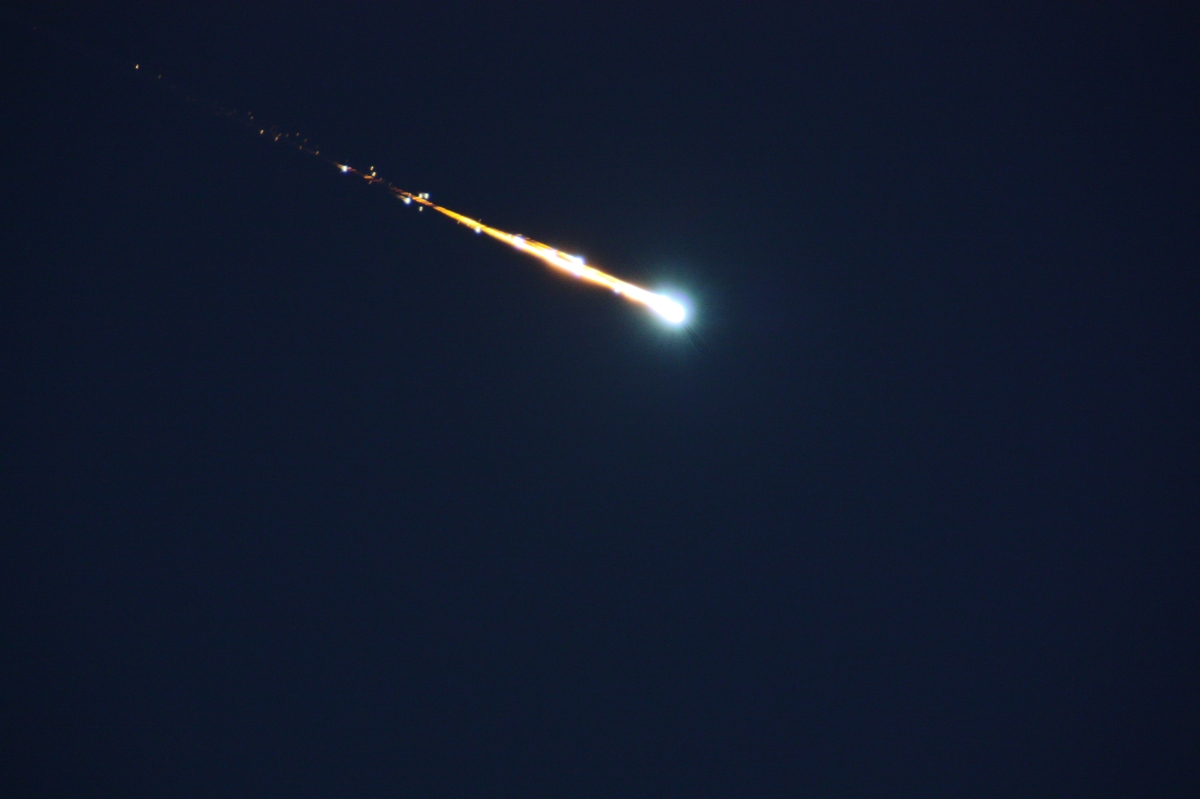
This weeks apod blog surrounds the fireball metor that was witnessed by observers this Tuesday, crossing the evening sky in the city og Groningen. Sightings of this metor were also reported in the Netherlands and in Geremany. Typically with a meotr sonic booms and then the rumbling sound shakes the entire sky. This is exatly what happened in this sistuation as well. This fireball metor also broke up in the sky and left bright fragments behind as it crossed the sky. Sighting like this are usually rare, even though meotrs cross the sky every days. The reason for this is they occur over oceans and unihabited areas of the world. This photo is very beautiful, and means a lot to me becuase I never truly got a chance to see a metor in the sky, and I hope with this class I get this chance.
Friday, October 16, 2009
Chrisopher Clavius
Sheila Heiman Heiman 1
Mr. Percival
Astronomy
16 Oct. 2009
Christopher Clavius
The life story of Christopher Clavius is not well known, but the contributions and his legacy left an impression in the world of astronomy. During the last few years of Christopher Clavius’s life, he was described as one of the most respected astronomers in Europe. It is unfortunate that hardly anything is known about his early life. Historians have discovered that he was born in Bamberg, in the German region. The German name Clavius was given when he was born has never been known, although possibilities have been suggested. Scholars have proposed names like Christoph Clau or Klau. It is believed that Clavius was born on March 25th, 1537 or 1938. However, the exact year is not known and really depends on the opinion on when the new year begins around the time of his birth. Clavius grew up among the influences of the Protestant Reformation developing in Franconia, Germany, a region that remained Catholic.
Clavius adult life was spent as devout Jesuit, which is logical due to the fact that three years after he was born Ignatius de Loyola founded the Jesuit order including only ten members. Clavius was admitted to the order in 1555, a month before his seventeenth birthday. By this time the group had reached out to about one thousand members, still growing strong. In 1556 Christopher attended the University of Coimbra located in Portugal, where it is believed that Pedro Nunes sparked his interest in the mathematical field. While at the University of Coimra; Clavius observed the total solar eclipse in 1560 that inspired and motivated him to make astronomy his calling in life. That same year he moved to Rome to study theology at the Jesuit Collegio Romano. In the year of 1564 Christopher was ordained in 1564 while still pursuing his theological studies in the university. Eleven years later he was able to become a full member of the Jesuit order.
In 1579 Clavius was given the opportunity to create the basis for a reformed calendar that would discontinue the sluggish process in which the Church’s holidays were drifting relative to the seasons of the year. Christopher used the Prussian Tables of Erasmus Reinhold to fashion a calendar, ordered by Pope Gregory XIII to be adopted in 1583 in the Catholic countries. This calendar is now used worldwide, and called the Gregorian calendar.
Christopher Clavius influenced the two worlds of mathematics and Astronomy. It would be wrong to disregard the contributions he made to the mathematic fields. As a mathematician of the Jesuit order, Clavius wrote numerous textbooks on algebra, practical arithmetic, geometry, and astrolabe. Clavius has been called “the Euclid of the sixteenth century” based off his remarkable mathematical work. Clavius was able to produce a number of instruments that would measure fractions of angles. He also designed sundials and quadrants that would be used in the process of surveying. His work shaped the mathematical education in the Jesuit affecting the entire world.
Christopher also had an influential impact in the world of astronomy. He believed strictly in his geocentric model of the solar system. Clavius thought like many others during that time that the heavens rotated around the earth. Clavius managed to contest the heliocentric model that Copernicus based his astronomical beliefs off of, but did recognize the issues with the orthodox model. Galileo respected the views and work that Clavius did in the astronomical fields. Galileo visited him during his first trip to Rome in 1587, and after that point discussed math problems, astronomical theories, and remained in a pleasant relationship with Chirstopher. Clavius even sent Galileo copies of his book once he was completed. Galileo visited Clavius again in 1611 to converse about the new observations being made with the telescope. Clavius accepted the new discovers that were made about the moon, but doubted the reality that mountains occupied the moon.
Christopher made amazing contributions in the field of math and science. Clavius died in February 12th, 1612, but left an everlasting legacy behind. After his death a crater on the moon was named in his honor.
Works Cited
"Christopher Clavius." Christopher Clavius. 15 Oct. 2009..
Christopher Clavius. Absolute Astronomy. 14 Oct. 2009..
"Christopher Clavius." The Catholic Encyclopedia. Vol. 4. New York: Robert Appleton Company, 1908.
Mr. Percival
Astronomy
16 Oct. 2009
Christopher Clavius
The life story of Christopher Clavius is not well known, but the contributions and his legacy left an impression in the world of astronomy. During the last few years of Christopher Clavius’s life, he was described as one of the most respected astronomers in Europe. It is unfortunate that hardly anything is known about his early life. Historians have discovered that he was born in Bamberg, in the German region. The German name Clavius was given when he was born has never been known, although possibilities have been suggested. Scholars have proposed names like Christoph Clau or Klau. It is believed that Clavius was born on March 25th, 1537 or 1938. However, the exact year is not known and really depends on the opinion on when the new year begins around the time of his birth. Clavius grew up among the influences of the Protestant Reformation developing in Franconia, Germany, a region that remained Catholic.
Clavius adult life was spent as devout Jesuit, which is logical due to the fact that three years after he was born Ignatius de Loyola founded the Jesuit order including only ten members. Clavius was admitted to the order in 1555, a month before his seventeenth birthday. By this time the group had reached out to about one thousand members, still growing strong. In 1556 Christopher attended the University of Coimbra located in Portugal, where it is believed that Pedro Nunes sparked his interest in the mathematical field. While at the University of Coimra; Clavius observed the total solar eclipse in 1560 that inspired and motivated him to make astronomy his calling in life. That same year he moved to Rome to study theology at the Jesuit Collegio Romano. In the year of 1564 Christopher was ordained in 1564 while still pursuing his theological studies in the university. Eleven years later he was able to become a full member of the Jesuit order.
In 1579 Clavius was given the opportunity to create the basis for a reformed calendar that would discontinue the sluggish process in which the Church’s holidays were drifting relative to the seasons of the year. Christopher used the Prussian Tables of Erasmus Reinhold to fashion a calendar, ordered by Pope Gregory XIII to be adopted in 1583 in the Catholic countries. This calendar is now used worldwide, and called the Gregorian calendar.
Christopher Clavius influenced the two worlds of mathematics and Astronomy. It would be wrong to disregard the contributions he made to the mathematic fields. As a mathematician of the Jesuit order, Clavius wrote numerous textbooks on algebra, practical arithmetic, geometry, and astrolabe. Clavius has been called “the Euclid of the sixteenth century” based off his remarkable mathematical work. Clavius was able to produce a number of instruments that would measure fractions of angles. He also designed sundials and quadrants that would be used in the process of surveying. His work shaped the mathematical education in the Jesuit affecting the entire world.
Christopher also had an influential impact in the world of astronomy. He believed strictly in his geocentric model of the solar system. Clavius thought like many others during that time that the heavens rotated around the earth. Clavius managed to contest the heliocentric model that Copernicus based his astronomical beliefs off of, but did recognize the issues with the orthodox model. Galileo respected the views and work that Clavius did in the astronomical fields. Galileo visited him during his first trip to Rome in 1587, and after that point discussed math problems, astronomical theories, and remained in a pleasant relationship with Chirstopher. Clavius even sent Galileo copies of his book once he was completed. Galileo visited Clavius again in 1611 to converse about the new observations being made with the telescope. Clavius accepted the new discovers that were made about the moon, but doubted the reality that mountains occupied the moon.
Christopher made amazing contributions in the field of math and science. Clavius died in February 12th, 1612, but left an everlasting legacy behind. After his death a crater on the moon was named in his honor.
Works Cited
"Christopher Clavius." Christopher Clavius. 15 Oct. 2009.
Christopher Clavius. Absolute Astronomy. 14 Oct. 2009.
"Christopher Clavius." The Catholic Encyclopedia. Vol. 4. New York: Robert Appleton Company, 1908.
Sunday, October 11, 2009
APOD 1.6
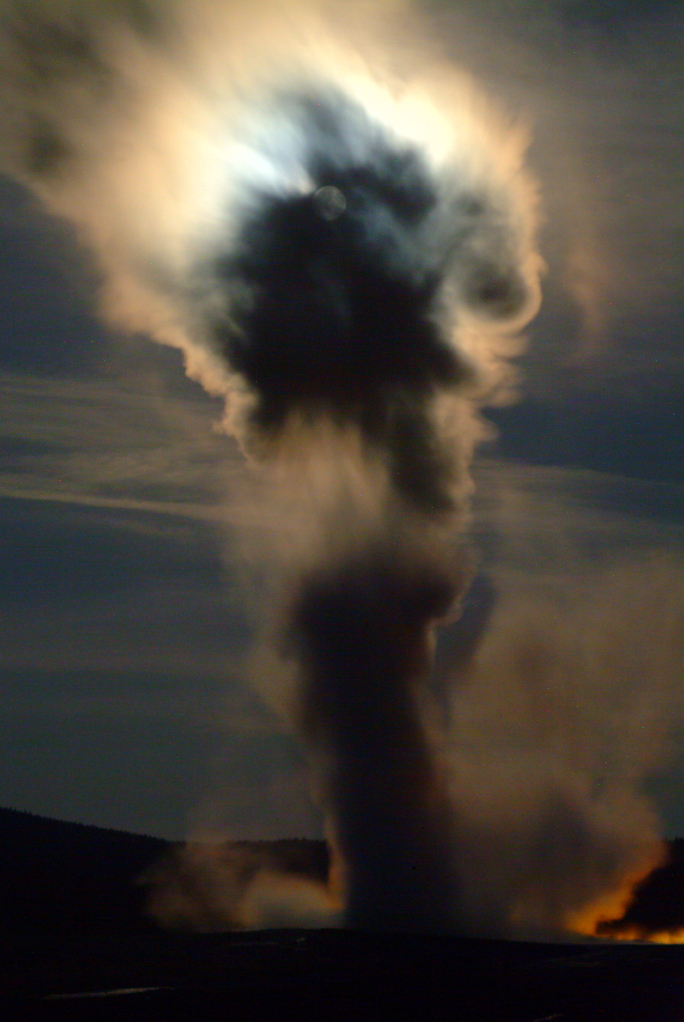
This weeks APOD blog is a photo of the October moon, which is also called the Harvest Moon. the Harvest moon is a full moon colsest to the autumnal equinox. the moon is also called the "Old Faith-Full Moon." this perticular photo combines the regularly occuring lunar phase with the gysers in Yellowstone National Park. the halo that is apperent in the phoo is from the towering pillers that is found behind the geyser.
Friday, October 2, 2009
apod blog 1.5
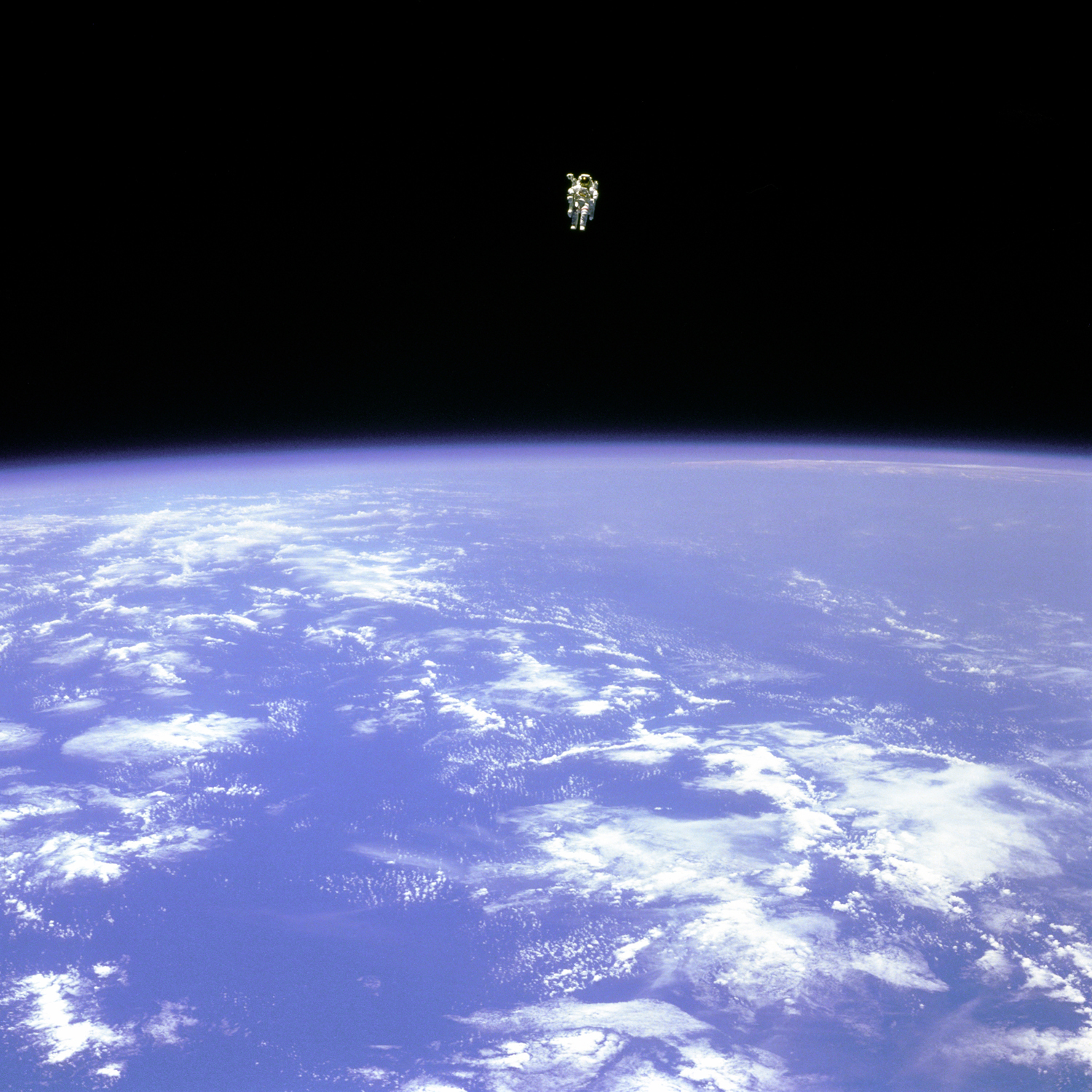
This was such an Awesome Photo that I had to post this weeks APOD blog on it!
This photo is located about 100 meters from the cargo bay of the space shuttle: Challenger. This photo shows Bruce McCandless II floating free in space. The last time this occurred was at the Space Shuttle mission 41-B in 1984 with Robert Stewart, a NASA astronaut. However, McCandless was the furthest out into space then anyone has ever go ne before.Bruce was guided by a Manned Maneuvering Unit that works by shooting jets of nitrogen, also used to deploy and retrieve Satellites. The MMU has a mass of over 140 Kilograms and was replaced with the SAFER backpack propulsion unit. This is truly an extraordinary photo. It really exemplifies how empty and desolate space is to someone that has never been into space before. It adds wounder and excitement to something unexplainable to someone that has never experienced such an amazing situation before.
Christopher Clavius Source List
http://www.gap-system.org/~history/Mathematicians/Clavius.html
http://galileo.rice.edu/sci/clavius.html
http://www.faculty.fairfield.edu/jmac/sj/scientists/clavius.htm
http://www.britannica.com/EBchecked/topic/120629/Christopher-Clavius
H L L Busard, Biography in Dictionary of Scientific Biography (New York 1970-1990).
Subscribe to:
Posts (Atom)