Friday, December 18, 2009
Apod 2.6
This photo of the Southern Geminds is a composted image running through the Australian skies during the Geminid Meteor shower. The extinct comet of Phaethon provides the dust particles that vaporize when the plow through Earths atmosphere. This beautiful image has the particles traveling parallel to each other, and has the streaks radiating from a single point in the sky near Geminis twin star, Castor and Pollux which is seen in the lover right corner. This was taken over a 2 hour period of December 14th. The short exposure caught the streaks are combined with a single long exposure to the background stars. Gemini, the milky way, and Orion can also be spot in the photo.

Apod 2.5
This photo before us is the North Pole of the planet Saturn. The unusual hexagonal cloud system is surrounding the north pole bas been kept in shape, but it is unknown how long it will remain like this. This phenomenon was discovered by the Voyager flybys in the 1980s. It has been unseen in anywhere else in the solar system since Saturn. However, the Cassini spacecraft; which in now orbiting Saturn has picked up infrared glow. A time-lapse movie has been created from the images of the rotating hexagon in visible light. Scientists are still trying to discover a method to study this usual cloud formation over Saturn.
Apod 2.4
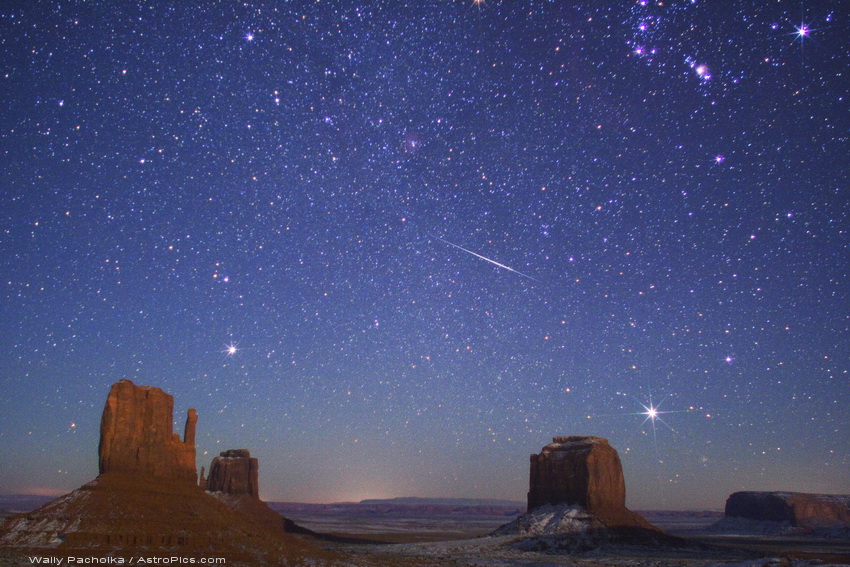
Wednesday, December 16, 2009
APOD 2.3
This Weeks Apod Blog posting is covering a star forming region in the northern constellation of Cassiopeia. The photo shows the glowing gas and dust clouds. The colors and you can view were created by the Hubble false-color palette. This is used to map the emission from oxygen, hydrogen, and sulfur atoms to transitioning colors. The blending was also done through broadband filters. All in all this photo is of interstellar medium, which is the material which fills the space between the stars.
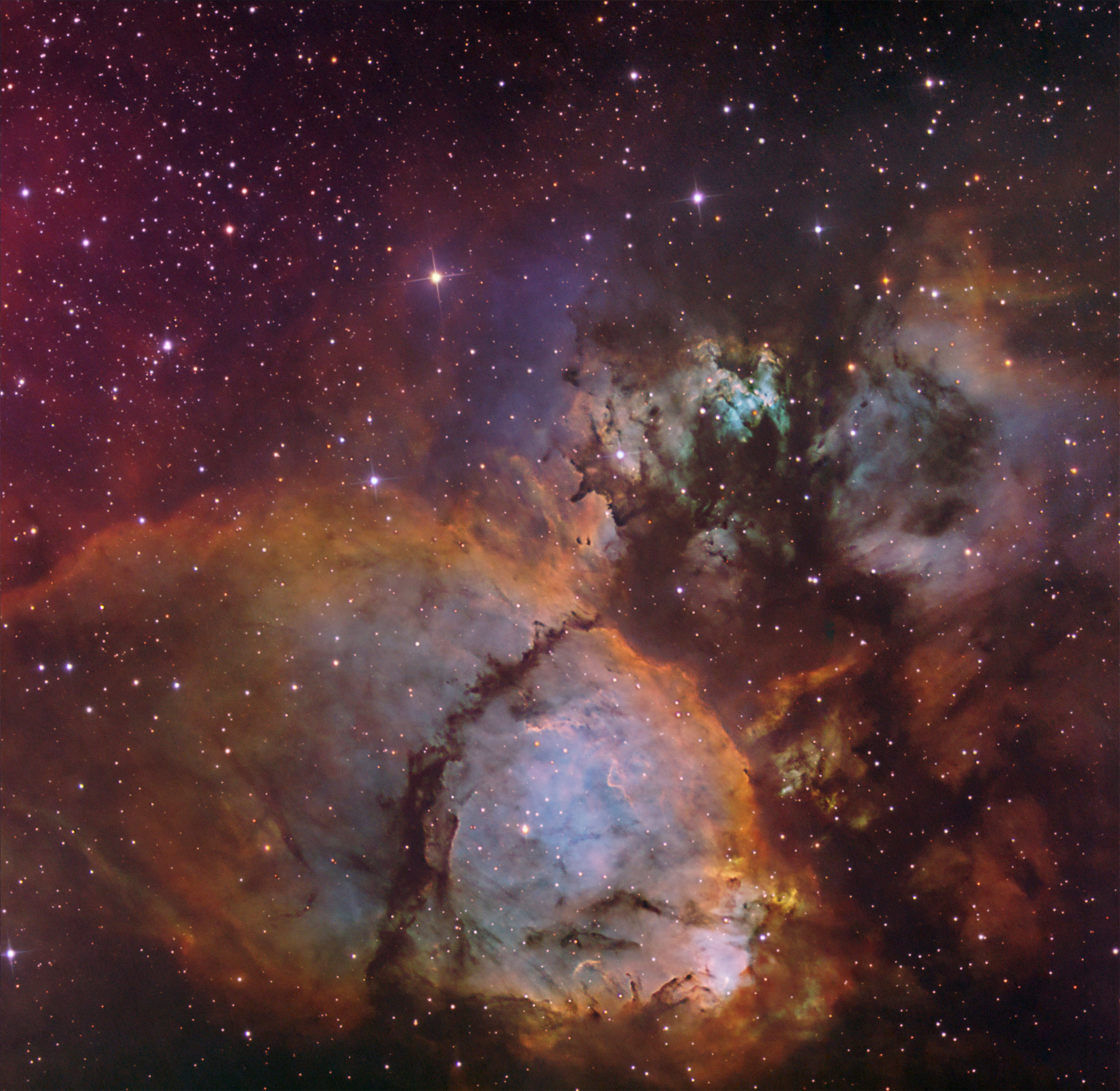
This photo is absolutely beautiful, and inspires people to continue there interest in space, and the new advancements that are made in this realm everyday.
Subscribe to:
Posts (Atom)